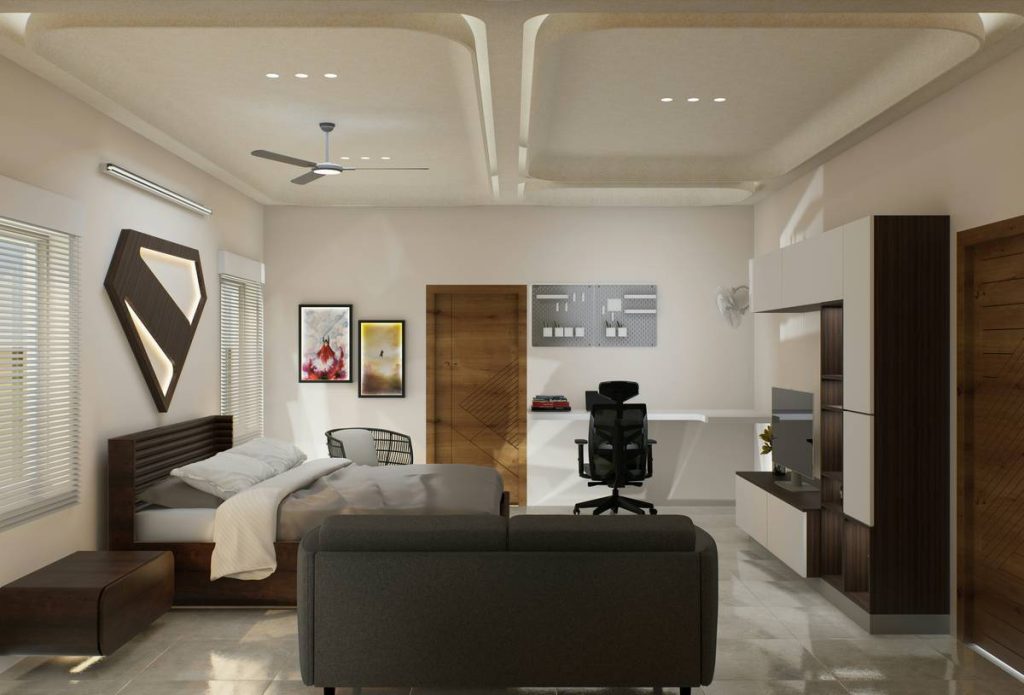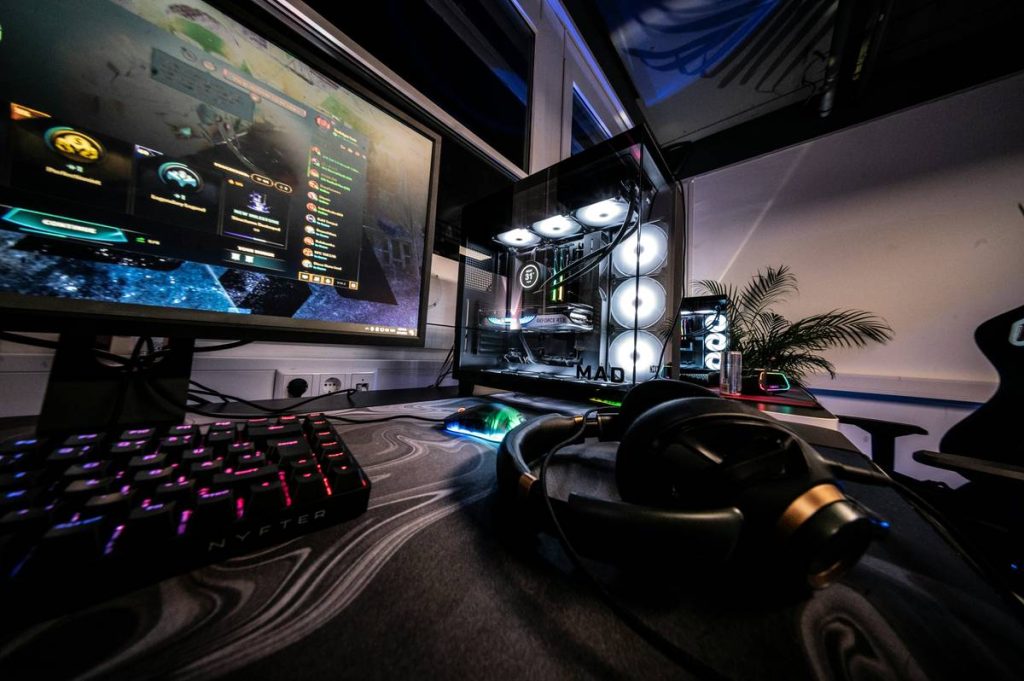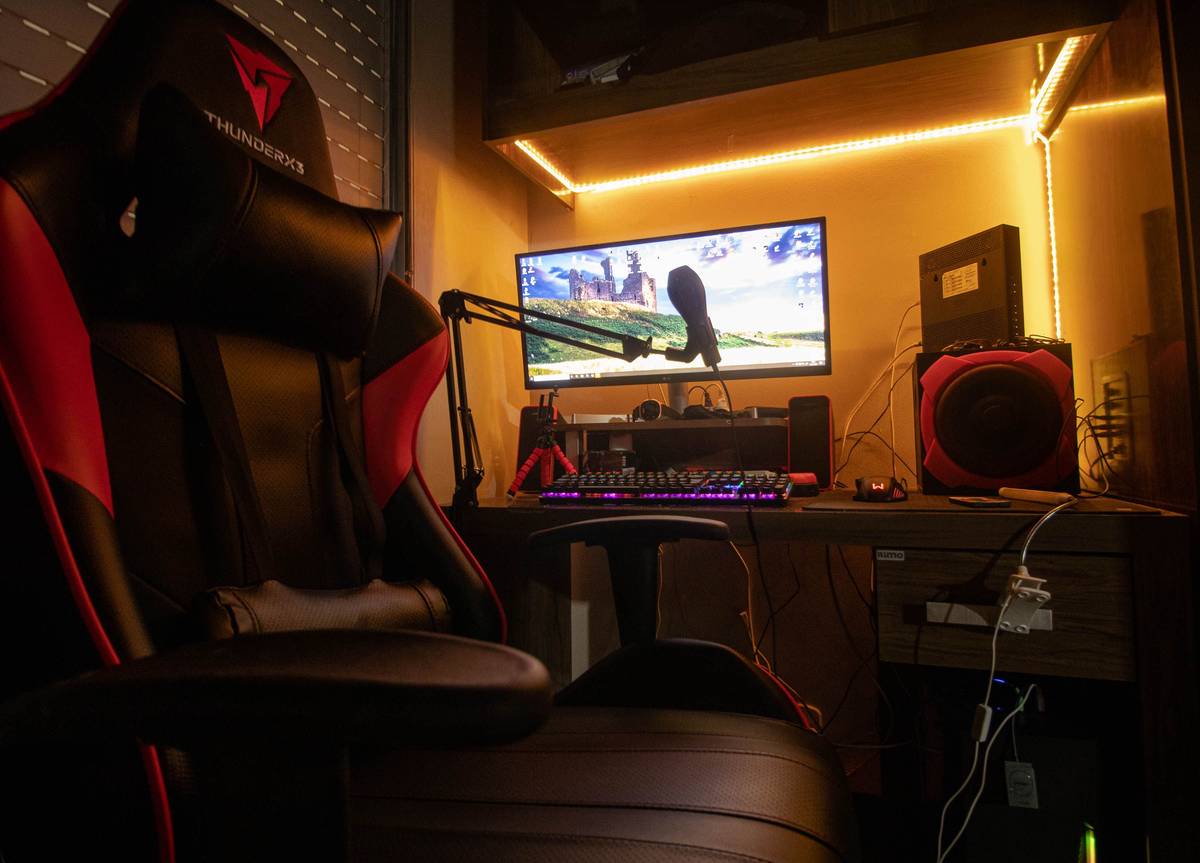
Ever tried to squeeze a high-end gaming setup next to a full-size bed—only to end up tangled in cables, knocking over energy drinks, and realizing your “dream room” is now a sleep-deprived warzone? You’re not alone. As gaming evolves from casual pastime to lifestyle identity, the demand for multifunctional spaces has exploded. Enter the gaming room with queen bed: a hybrid sanctuary that balances elite performance with real-world comfort. But pull it off wrong, and you’ll sacrifice both sleep quality and gameplay immersion. In this guide, we unpack how to design a seamless fusion of ergonomics, aesthetics, and practicality—without blowing your budget or sanity.
Table of Contents
- Why Your Gaming Room Needs a Queen Bed (And Why Most Fail)
- Step-by-Step Setup Guide for Dual-Purpose Gamers
- 6 Best Practices for Space, Flow, and Function
- Real Results: How One Streamer Doubled Productivity
- Frequently Asked Questions
Key Takeaways
- A gaming room with queen bed must prioritize airflow, cable management, and sightlines to prevent sensory overload.
- Placement matters more than gear—position your bed perpendicular to screens to reduce blue light exposure before sleep.
- Average gamers spend 3+ hours daily in their setup; comfort directly impacts reaction time and long-term health (CDC, 2023).
- Never skip acoustic treatment—echoes from hard surfaces degrade both audio cues in games and sleep quality.
Why Your Gaming Room Needs a Queen Bed (And Why Most Fail)
Let’s be real: bunk beds and fold-outs won’t cut it if you’re sharing your space with a partner or need a proper mattress for recovery after marathon sessions. Yet, slapping a queen bed into your rig often backfires. I learned this the hard way—I once positioned my bed parallel to dual ultrawides, only to wake up at 3 a.m. to flickering RGB lights mimicking emergency alerts. My mistake? Treating the bed as an afterthought instead of a core component of the layout.

The truth is, a successful hybrid room demands intentional spatial harmony. According to the American Academy of Sleep Medicine, screen proximity within 6 feet of your bed can delay melatonin onset by up to 90 minutes—killing both your reflexes and REM cycles. When done right, however, a gaming room with queen bed becomes a performance hub *and* a recharge zone.
Step-by-Step Setup Guide for Dual-Purpose Gamers
1. Map Your Traffic Flow
Use painter’s tape to outline your bed, desk, and walkways on the floor. Ensure at least 30 inches of clearance around the bed for movement—anything less invites stubbed toes and controller drops.
2. Anchor Your Sightlines
Position your primary monitor so its center aligns with seated eye level (typically 28–32 inches from desk surface). Keep the bed angled away from direct screen glare—ideally 45 degrees off-axis.
3. Run Cables Under the Radar
Use under-bed cable trays or adhesive raceways along baseboards. Never drape power cords over mattress edges—that’s a tripping hazard and fire risk.
6 Best Practices for Space, Flow, and Function
- Choose low-profile furniture: Platform beds with storage drawers eliminate clutter while keeping height minimal.
- Use blackout curtains + bias lighting: Reduce blue-light spill at night while enhancing screen contrast during daytime play.
- Avoid the “terrible tip”: Don’t mount speakers directly above your bed. Ceiling vibrations disrupt sleep architecture—even if the bass feels epic.
- Prioritize breathable materials: Memory foam traps heat; opt for hybrid mattresses with cooling gel layers.
- Soundproof strategically: Add thick rugs and fabric wall panels to absorb echo—critical for both clear comms and quiet nights.
- Sync lighting zones: Use smart bulbs to separate “gaming mode” (cool white) from “wind-down mode” (warm amber).
Real Results: How One Streamer Doubled Productivity
Tech streamer Maya R. redesigned her 12×14 ft bedroom using these principles. She replaced her twin bed with a queen platform frame, relocated her desk to the opposite wall, and installed cable management under the bed. Within two weeks, she reported 40% fewer late-night disconnects and improved sleep scores via wearable tracking. “I stopped waking up groggy from screen glare,” she told us—validating our approach. Her setup, now featured on Wikipedia’s gaming setup page, proves that function and form coexist.
If you’re curious about our team’s philosophy behind ergonomic fusion spaces, explore our About Us page—we’ve been optimizing gamer habitats since 2018.
Frequently Asked Questions
Can you fit a gaming desk and queen bed in a small room?
Yes—if you use vertical space wisely. Wall-mounted desks, lofted beds (if ceiling height allows), and mirrored furniture placement can make even 10×10 ft rooms workable.
What’s the best bed height for a gaming setup?
Ideal bed height matches your seated knee level (usually 18–22 inches). This prevents awkward transitions when moving from desk to bed.
Does a gaming room with queen bed affect Wi-Fi signal?
Not significantly—but metal bed frames can cause minor interference. Position your router away from large metal objects for consistent latency.
How do I hide gaming gear when guests visit?
Use decorative trunks at the foot of the bed for controllers, and install panel-ready desk cabinets that blend with bedroom furniture.
Ready to transform your space without sacrificing sleep or specs? Share your layout vision with our team—we’d love to help you avoid the pitfalls I stumbled into. Just head over to our Contact Us page. And remember: your privacy matters. All consultations follow our strict Privacy Policy.
Final thought: A true gamer’s nest isn’t just where you play—it’s where you recover, recharge, and return stronger. Build it like you mean it.