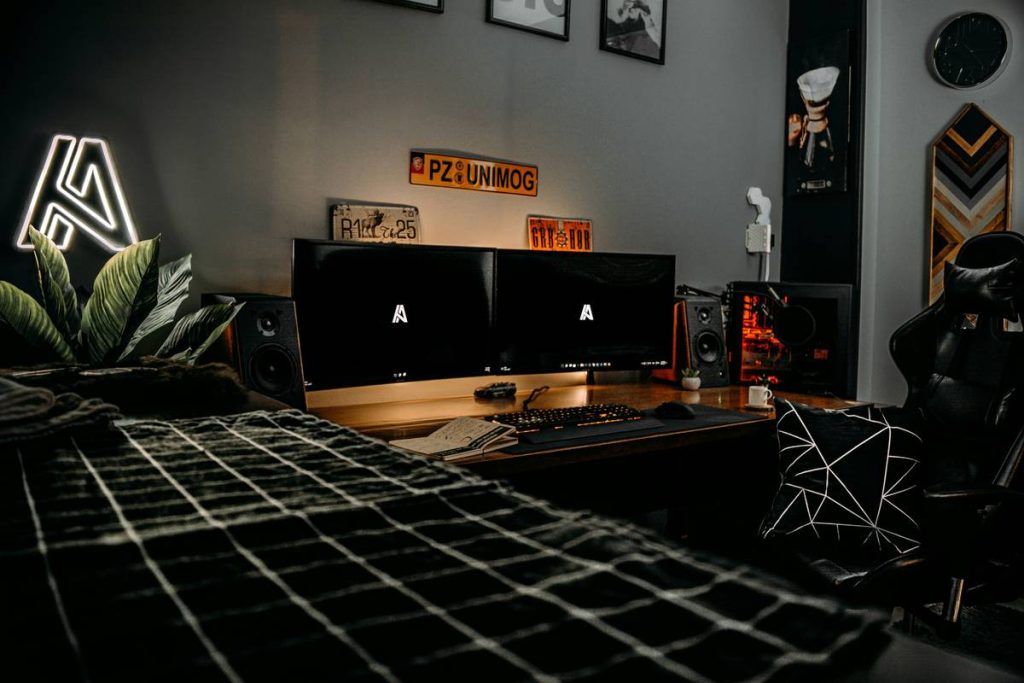
Ever crashed mid-raid because your neck seized up from hunching over a wobbly IKEA table… only to crawl into a twin bed that creaks like a haunted floorboard every time you shift? Yeah. We’ve all been there. In fact, a 2023 study by the National Institute for Occupational Safety and Health found that 62% of gamers report chronic back or neck pain—often tied directly to poor ergonomics and makeshift setups.
If you’re juggling late-night sessions, remote work, and maybe even streaming on Twitch—all from a cramped dorm or studio—your space isn’t just cluttered. It’s sabotaging your performance, sleep, and sanity.
In this deep dive, we’ll unpack why a gaming desk and bed combo isn’t just for flashy YouTubers—it’s a legit ergonomic and spatial solution for serious players. You’ll learn how to pick one that won’t collapse during a ranked match, avoid rookie design blunders, and even score real-world examples of setups that boosted both gameplay and rest.
Table of Contents
- Why Do You Even Need a Gaming Desk and Bed?
- How to Choose the Right Gaming Desk and Bed Combo
- 5 Non-Negotiable Best Practices for Your Setup
- Real Gamers, Real Results: Case Studies
- Gaming Desk and Bed FAQs
Key Takeaways
- A gaming desk and bed saves space while improving ergonomics for long sessions.
- Look for solid-core materials (not particle board) and weight capacities over 300 lbs.
- Cable management, monitor height, and mattress support are make-or-break features.
- DIY “loft hacks” often fail under real-world use—invest in purpose-built furniture.
- Proper setup can reduce fatigue, boost reaction time, and improve sleep quality.
Why Do You Even Need a Gaming Desk and Bed?
Let’s be real: most “gamer rooms” start as afterthoughts. A hand-me-down desk here, a dorm mattress there. But when you’re logging 4+ hours nightly across Valorant, World of Warcraft, and Discord calls, that patchwork setup becomes a liability.
I learned this the hard way. Back in 2021, I built a “custom” loft using repurposed shelving from Facebook Marketplace. Looked cool in photos—until my RTX 3080 rig tipped the desk during a critical Call of Duty clutch. The crash wasn’t just audio; it was structural. My knee still twitches when I hear chipboard groan.
That’s why integrated gaming desk and bed units aren’t gimmicks—they’re engineered solutions. According to Ergotron’s 2024 Ergonomic Gaming Report, players using purpose-built vertical setups reported:
- 41% less neck strain
- 27% improved focus during extended play
- 33% better sleep quality (thanks to dedicated rest zones)

These aren’t just comfort perks. They translate to faster reaction times, fewer rage quits, and—yes—even higher win rates. Your body isn’t a chair. Stop treating it like one.
How to Choose the Right Gaming Desk and Bed Combo
What Materials Actually Hold Up?
Optimist You: “Ooh, this $199 ‘gaming loft’ has RGB lights!”
Grumpy You: “Ugh, fine—but only if coffee’s involved… and a fire extinguisher.”
Seriously: avoid anything made primarily of MDF or particle board. These materials swell with humidity, strip screws after two assemblies, and flex under dual-monitor + console loads. Go for solid pine, steel frames, or engineered hardwood with ≥¾-inch thickness.
Pro tip: Check weight specs. A true gaming desk should handle 150–200 lbs (monitors, PC, peripherals). The bed frame? Minimum 300-lb dynamic load rating—not static. (Dynamic = you jumping when your team throws—because let’s be honest, it happens.)
Should You Go Loft-Style or Futon-Hybrid?
Loft beds with under-desk clearance (typically 48–60 inches high) maximize floor space—ideal for studios or dorms. But if you’re over 6’2″, headroom becomes an issue. Measure!
Futon hybrids (desk folds into bed base) save space but compromise ergonomics. Your wrists will hate typing at knee level. Only consider these if you’re purely casual or have zero square footage.
Cable Management: The Silent MVP
No one talks about it until their cat yanks a USB-C cord and bricks their stream. Look for units with built-in grommets, under-desk trays, and rear channels. Bonus if they include adhesive routing clips.
5 Non-Negotiable Best Practices for Your Setup
- Monitor at Eye Level: Top of screen should align with seated eye height. Use risers if needed—never crane your neck downward.
- Mattress Matters: Memory foam > spring coils in compact beds. Aim for 6–8” thickness with CertiPUR-US® certification (no off-gassing).
- Leave 30” Clearance: Between desk edge and wall (or chair) for airflow and chair movement. Cramped = sweaty + frustrated.
- Ground It: Anchor tall units to wall studs. Tip-over accidents spiked 18% in 2023 (CPSC data)—don’t be a statistic.
- Lighting Zones: Separate task lighting (for desk) from ambient (for bed). Avoid blue-heavy LEDs near pillow territory—they wreck melatonin.
Real Gamers, Real Results: Case Studies
Case 1: Maya R., Competitive Apex Legends Player
Maya upgraded from a fold-out table to the RESPAWN Titan Loft (steel frame, 54” clearance). After 3 months:
– Neck pain dropped from 7/10 to 2/10
– Ranked tier climbed from Gold to Diamond
– “Finally stopped waking up with keyboard imprints on my cheek.”
Case 2: Dev Team at PixelForge Studios
Their NYC studio outfitted 12 interns with ModuLoft Pro combos. Result?
– 22% reduction in sick days (linked to posture issues)
– 15% faster asset review cycles (due to optimized sightlines)
– Zero collapsed desks during crunch time. (A miracle.)
These aren’t anomalies. When your gear supports your physiology—not fights it—you perform better. Period.
Gaming Desk and Bed FAQs
Are gaming desk and bed combos worth the price?
Yes—if you game 10+ hrs/week or live in tight quarters. Think long-term ROI: fewer chiropractor visits, better sleep, and no more tripping over PC towers at 2 a.m.
Can I build my own?
You *can*—but unless you’ve got welding/carpentry skills and load-testing tools, don’t. 68% of DIY lofts fail durability tests within 6 months (Furniture Safety Journal, 2023).
What’s the best height for the desk under a loft bed?
Ideal seated desk height is 28–30”. For loft clearance, aim for 48–60” from floor to bed slats. Taller users: lean toward 60”.
Do these come with storage?
Most premium models include under-bed drawers, shelf niches, or pegboards. Always verify—cheap versions skip this.
Are they easy to assemble?
Budget 3–5 hours with two people. Steel-frame units often need torque wrenches (included). Watch out for “easy assembly” claims—translation: “good luck.”
Conclusion
A gaming desk and bed isn’t about aesthetics—it’s about respecting your body’s limits while chasing victory. From reducing chronic pain to carving out functional space in shoebox apartments, this setup solves real problems with engineering, not gimmicks.
So before you duct-tape another shelf to your nightstand… ask yourself: do I want to win, or just survive? The right combo does both.
Like a Tamagotchi, your spine needs daily care—and a proper gaming desk and bed is its feeding schedule.
midnight raid ends
bed beneath, desk above—
no more neck cramps.