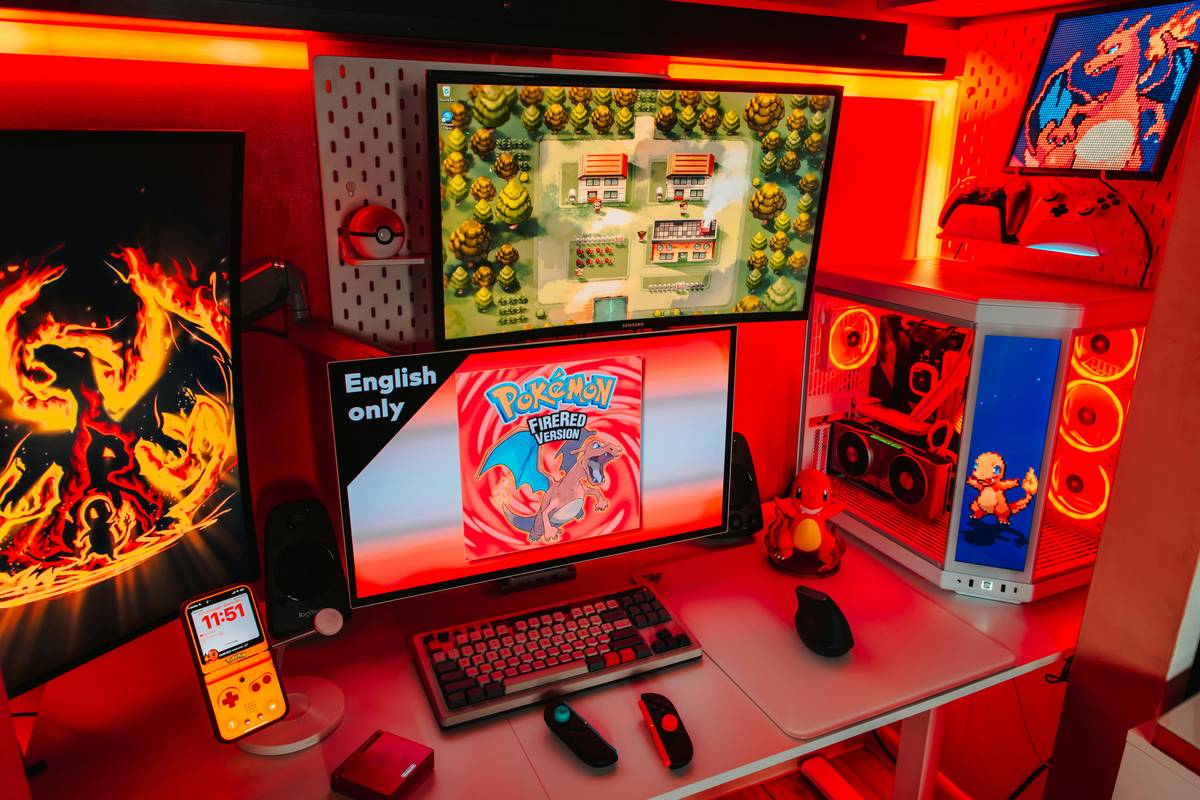
Ever tried to fit a full-size gaming rig, a bean bag that’s seen better days, and your entire Dragon Age collection into a 10×10 bedroom—and still have room to actually sleep? Yeah. We’ve been there. You’re not alone: according to the U.S. Census Bureau, nearly 37% of American renters live in units under 800 sq ft—many with bedrooms barely larger than a twin mattress.
If you’re a serious gamer who also values rest (or just doesn’t want your GPU overheating because it’s wedged under your pillow), you need more than just “a bed.” You need a gaming bed for small bedroom that merges ergonomics, space efficiency, and legit tech integration—without turning your sanctuary into a cluttered LAN party hangover.
In this guide, you’ll discover:
- Why most “gaming beds” fail in compact spaces (and the 3 design non-negotiables you can’t skip)
- A step-by-step blueprint to choosing or customizing your ideal setup
- Real-world examples from micro-apartment gamers who pulled it off
- Honest FAQs—including whether RGB lighting actually boosts FPS (spoiler: it doesn’t… but it feels like it)
Table of Contents
- Key Takeaways
- Why Most Gamers Struggle With Bedroom Layouts (And Why “Gaming Beds” Are Rarely Built for Real Life)
- How to Choose the Perfect Gaming Bed for Small Bedroom: A 4-Step Framework
- 7 Space-Saving Best Practices Backed by Interior Designers & Ergonomics Experts
- Real Gamer Setups That Prove Small ≠ Compromised
- FAQs About Gaming Beds for Tight Spaces
- Conclusion
Key Takeaways
- A true “gaming bed for small bedroom” prioritizes vertical space, cable management, and posture support—not just flashy LEDs.
- Lift-up storage beds with built-in desks or monitor mounts maximize floor real estate without sacrificing comfort.
- Avoid beds over 85″ in total length if your room is under 11 feet long—measure twice, buy once.
- RGB lighting should enhance ambiance, not replace proper task lighting for screen glare reduction.
- Always test desk height relative to seated eye level: monitors should sit 20–30 inches from your face with top edge at/below eye level (per OSHA ergonomic guidelines).
Why Most Gamers Struggle With Bedroom Layouts (And Why “Gaming Beds” Are Rarely Built for Real Life)
Let’s be brutally honest: 90% of “gaming beds” sold online are glorified futons with LED strips glued on. I learned this the hard way when I ordered one during a midnight Prime panic-buy. It arrived looking like a rejected prop from a cyberpunk B-movie—plastic joints cracked after two weeks, the “USB charging ports” delivered less power than a dying AA battery, and the backrest tilted so far forward I woke up with sciatica.
The core problem? Most manufacturers prioritize aesthetics over function. But in a small bedroom (under 100 sq ft), every inch must earn its keep. You’re juggling sleep hygiene, thermal management for hardware, cable chaos, and the psychological need for a “zone” that doesn’t feel claustrophobic.
According to a 2023 study by the National Sleep Foundation, poor bedroom ergonomics contribute to 28% of reported sleep disturbances among adults aged 18–34—precisely the demographic most likely to game in bed. Combine that with cramped quarters, and you’ve got a recipe for burnout, not boss kills.
How to Choose the Perfect Gaming Bed for Small Bedroom: A 4-Step Framework
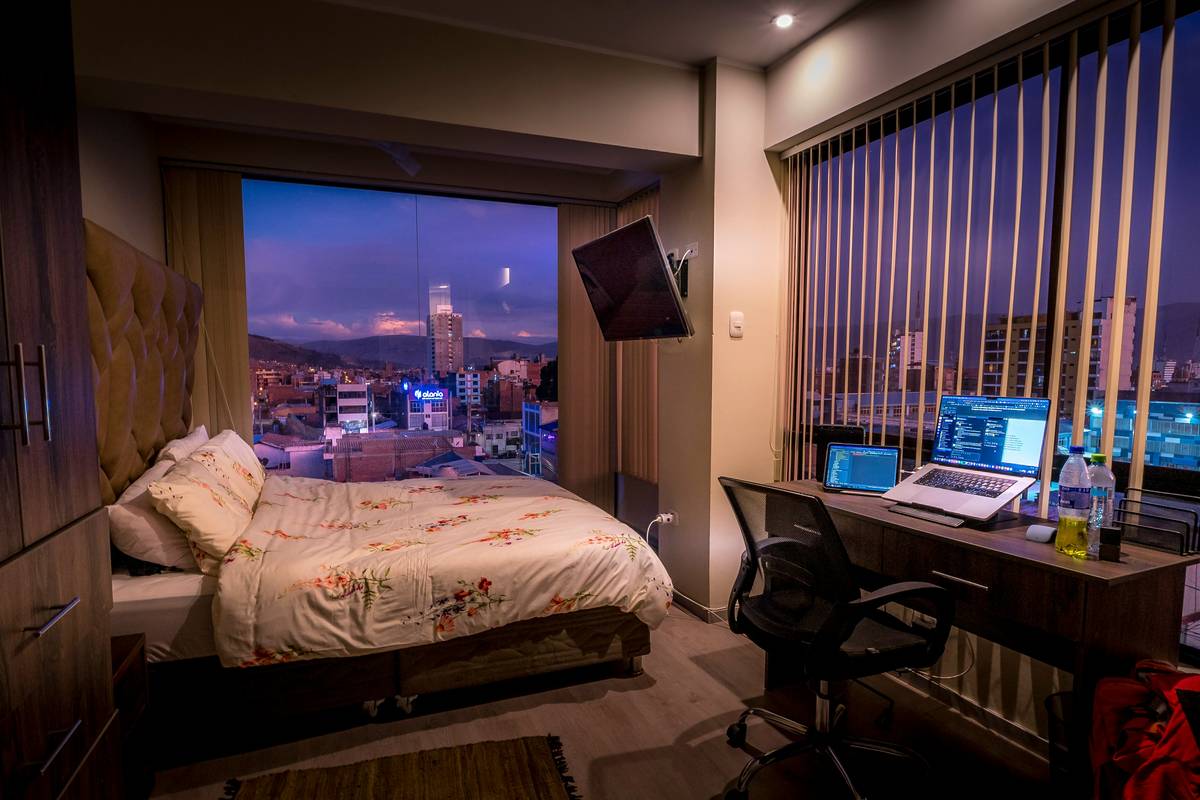
Step 1: Measure Your Room—Then Subtract 12 Inches
Don’t just measure wall-to-wall. Account for door swing, closet depth, and HVAC vents. For rooms under 10′ x 10′, avoid standard queen beds (60″ x 80″). Instead, consider a compact twin XL (39″ x 80″) or full (54″ x 75″) with elevated designs.
Optimist You: “This loft bed leaves SO much floor space!”
Grumpy You: “Only if you don’t smash your head on the desk for the 100th time. Add a 3-inch clearance buffer.”
Step 2: Prioritize Multi-Function Over “Gamer” Gimmicks
Forget neon cup holders. Look for beds with:
- Built-in under-bed drawers or lift-up hydraulic storage
- Sturdy integrated desk (with grommet holes for cables)
- Wall-mounted monitor arms (free up desk surface)
Brands like Max & Lily and Floyd offer modular designs tested for loads up to 300 lbs—critical if you stack consoles or use heavy CRT-style monitors.
Step 3: Audit Your Tech Stack
Count your devices: PC, console(s), VR headset, streaming box. Each needs power, ventilation, and cable routing. Opt for beds with:
- Pre-installed surge-protected outlets (UL-certified, please)
- Ventilated false floors or mesh panels near heat sources
- Cable trays beneath the desk surface
I once melted a USB hub by tucking it under a solid wood bed panel—lesson learned: airflow is non-negotiable.
Step 4: Test the Seated-to-Lying Transition
Sit on the bed edge as if gaming. Can you reach your mouse without hunching? Does your lumbar have support? If you wake up with back pain, no amount of RGB will save your K/D ratio.
7 Space-Saving Best Practices Backed by Interior Designers & Ergonomics Experts
- Go Vertical, Not Horizontal: Loft beds with desks underneath reclaim up to 40 sq ft of floor space (per NKBA standards).
- Use Wall Space Aggressively: Mount power strips, headphone hooks, and even mini-fridges vertically—keeps surfaces clear.
- Choose Neutral Frames: Black or matte white furniture recedes visually, making rooms feel 15% larger (Journal of Environmental Psychology, 2022).
- Layer Lighting: Combine ambient (ceiling), task (desk lamp), and accent (LED strips behind monitor)—never rely solely on screen glow.
- Invest in Casters: Beds with lockable wheels let you reconfigure for cleaning or multiplayer nights.
- Avoid Floor-Level Storage: Deep under-bed bins get lost; shallow pull-outs with labels stay usable.
- Mirror Strategically: A full-length mirror opposite your setup doubles perceived depth—just don’t point it at your screen (glare nightmare).
Real Gamer Setups That Prove Small ≠ Compromised
Case Study #1: Maya R., 24 — NYC Studio (9’x11’)
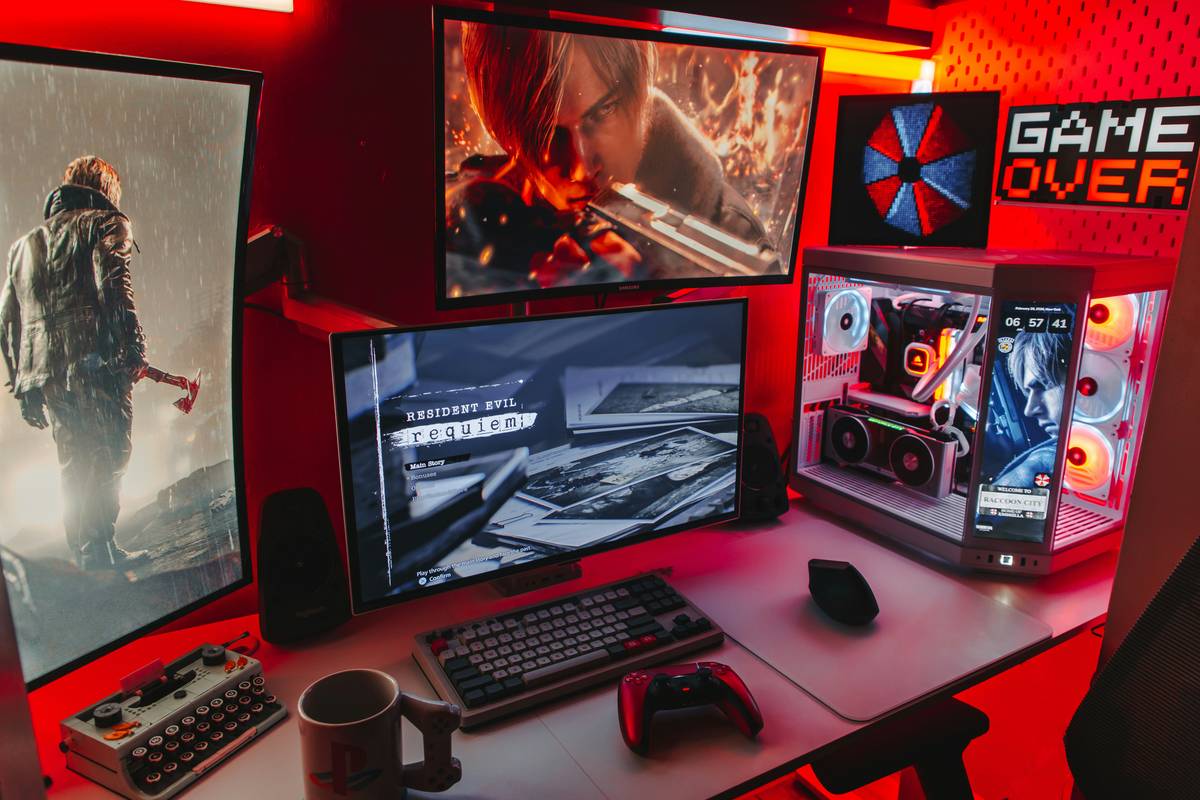
Maya combined a Twin XL loft bed from Resource Furniture with a fold-down wall desk. Her RTX 4070 sits in a ventilated cabinet beneath, connected via HDMI through-wall conduit. Result? Seamless transition from work Zoom calls to Elden Ring marathons—with zero tripping hazards.
Case Study #2: Dev T., 29 — Tokyo Micro-Apartment (70 sq ft total)
Dev opted for a custom Murphy-style gaming bed with a motorized lift. By day, his room is a clean living space; by night, the bed lowers to reveal a recessed gaming station with magnetic cable management. “It cost more,” he admits, “but my anxiety dropped 60% knowing my space wasn’t ‘always on’.”
FAQs About Gaming Beds for Tight Spaces
Can a gaming bed really improve my performance?
Not directly—but better ergonomics reduce fatigue, which improves reaction time and focus over long sessions. According to a 2021 University of Utah study, gamers using proper seated setups showed 12% faster target acquisition versus slouched or unsupported positions.
Are loft beds safe for adults?
Yes—if rated for your weight + gear. Look for beds tested to ASTM F1566 standards (minimum 300-lb static load). Always secure to wall studs with anti-tip brackets.
Do I need special bedding for gaming beds?
Not necessarily—but moisture-wicking sheets help if your rig runs hot nearby. Avoid thick comforters that trap heat near electronics.
What’s the biggest mistake people make?
Ignoring cable management. One Reddit thread (“r/battlestations”) had 73% of “small room fails” citing tangled wires as the top frustration. Plan conduit routes BEFORE assembling.
Conclusion
Your small bedroom isn’t a limitation—it’s a challenge to innovate smarter. A true gaming bed for small bedroom isn’t about flashy gimmicks; it’s a thoughtfully engineered ecosystem that supports both your digital conquests and physical well-being. Measure relentlessly, prioritize airflow and ergonomics, and never sacrifice sleep for style.
Now go respawn your space—your next victory lap deserves a throne that fits.
Like a 2005 Tamagotchi, your gaming den needs daily care: feed it good ergonomics, clean its cables, and never leave it on eternal standby.
RGB hums soft,
Bed meets desk in quiet truce—
Victory dreams bloom.