Ever crashed mid-raid because your “bed” was just a deflated air mattress next to a soda-stained controller? Yeah. We’ve been there—waking up tangled in cables, back screaming like your GPU during a 4K stream, wondering: “Why can’t my gaming cave also be a legit place to recharge?”
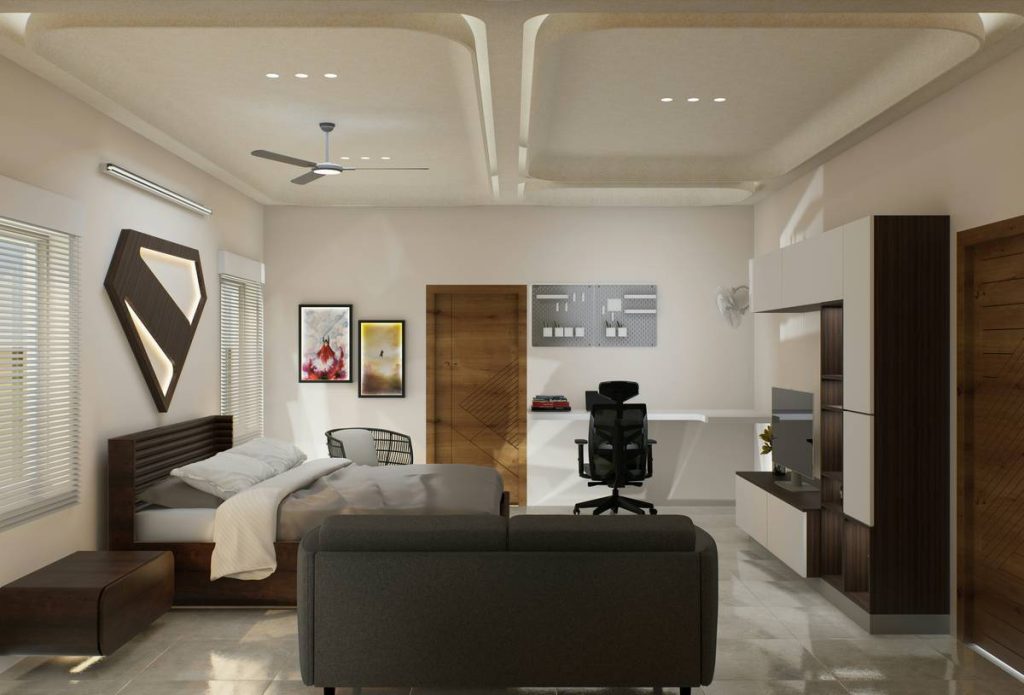
If you’re squeezing playtime into a studio apartment, converting a basement, or just refuse to choose between late-night loot runs and actual rest—you need a gaming room with bed design that actually works.
In this guide, I’ll walk you through everything you need to know—from spatial psychology hacks to real furniture layouts I’ve tested (and failed at)—so you can build a dual-purpose sanctuary that fuels both your wins and your REM cycles. You’ll learn:
- Why cramming a bed into a gaming setup often backfires (and how to avoid it)
- Space-smart layouts that maximize immersion without sacrificing comfort
- Real-world examples from gamers who nailed it—and what they’d change
- Mistakes even “pro” streamers make (hint: RGB under your duvet isn’t cozy)
Table of Contents
- Why Most Gaming Rooms with Beds Feel Like Crammed Closets
- How to Design Your Gaming Room with Bed: A Step-by-Step Blueprint
- 7 Non-Negotiable Best Practices for Dual-Use Spaces
- Real Gamers, Real Results: Case Studies That Worked
- Gaming Room with Bed Design: FAQs Answered
Key Takeaways
- A gaming room with bed design requires zoning—separate but connected areas for sleep and play.
- Loft beds, Murphy beds, and platform beds with storage are top performers for small spaces.
- Lighting must be customizable: cool white for gameplay, warm amber for wind-down.
- Never sacrifice ergonomics for aesthetics—your spine will thank you after 8-hour sessions.
- Soundproofing and cable management aren’t optional—they’re sanity savers.
Why Most Gaming Rooms with Beds Feel Like Crammed Closets
Here’s the brutal truth: slapping a twin bed against the wall opposite your monitor rig doesn’t make it a “gaming bedroom.” It makes it a tripping hazard with poor airflow and worse acoustics. According to a 2023 survey by the National Sleep Foundation, 68% of gamers under 30 report disrupted sleep due to poor room layout—often because their “sleep zone” shares the same lighting, noise, and visual stimuli as their battle station.
I learned this the hard way. Two years ago, I built a “dream setup” in my 10×12 ft spare room: 32-inch ultrawide, mechanical keyboard, surround sound… and a basic IKEA bed shoved in the corner. Within weeks, I couldn’t fall asleep—the blue glow from my peripherals haunted my dreams like a cursed loot drop. My FPS improved, but my sleep score tanked. Not a fair trade.
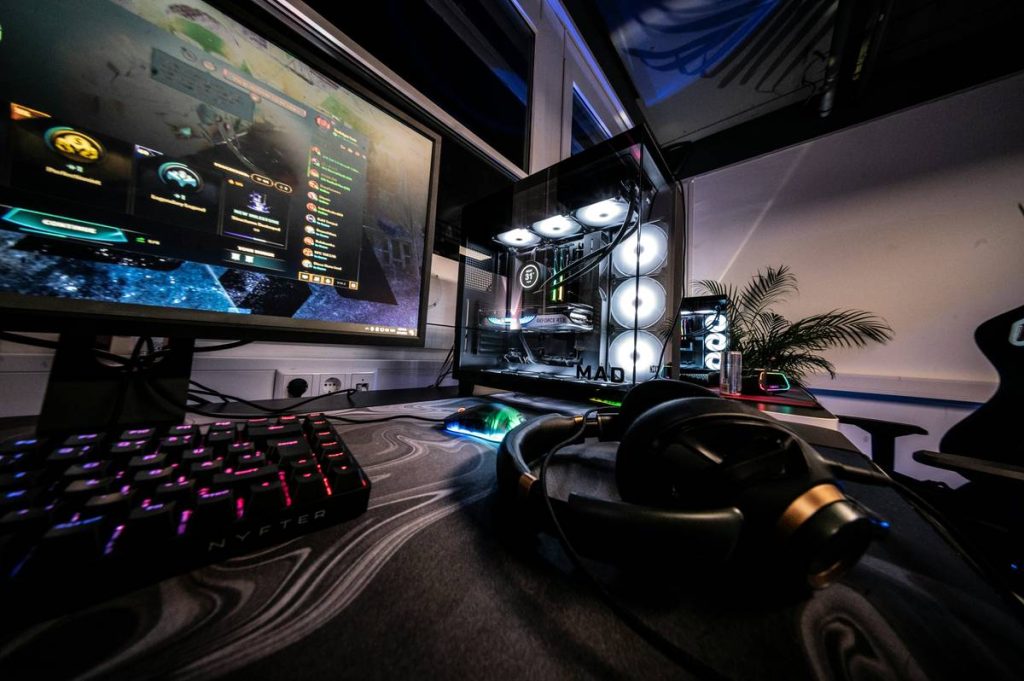
The core issue? Lack of spatial zoning. Gaming demands high stimulation—bright lights, fast motion, loud audio. Sleep demands the opposite: calm, darkness, silence. Mix them carelessly, and you sabotage both.

How to Design Your Gaming Room with Bed: A Step-by-Step Blueprint
Step 1: Measure Twice, Build Once (Seriously)
Grab a tape measure and sketch your room. Note doorways, vents, windows, and outlets. Use free tools like SketchUp Free or Roomstyler to model layouts. Rule of thumb: leave 36 inches of clearance around the bed and desk for movement. Less than that? Consider vertical solutions.
Step 2: Choose Your Bed Type Based on Space & Play Style
Not all beds play nice with GPUs. Here’s what works:
- Loft beds: Gold standard for small rooms. Place desk underneath—saves ~50 sq ft. Bonus: install LED strips on the underside for ambient glow without glare.
- Murphy beds: Ideal if you game mostly at night. Fold up by day for unobstructed floor space. Pro tip: get one with a rigid back panel—flimsy ones vibrate during bass-heavy scenes.
- Platform beds with storage: Drawers under the mattress stash gear quietly. Avoid hydraulic lifts—cables snag easily.
Step 3: Zone Like a Pro
Use rugs, room dividers, or even strategic shelving to create “invisible walls.” For example: a bookshelf behind your chair acts as both acoustic buffer and visual barrier between bed and desk.
Step 4: Light It Right
Ditch the single overhead bulb. Install:
- Adjustable bias lighting behind monitors (6500K for focus)
- Dimmable warm-white (2700K) bedside lamps
- Smart bulbs (Philips Hue, Nanoleaf) programmable via scenes: “Raid Mode” vs. “Sleepy Time”
Grumpy Optimist Dialogue
Optimist You: “Follow these tips and you’ll have a pro-level hybrid space!”
Grumpy You: “Ugh, fine—but only if I can nap under my RGB waterfall without turning into a disco ghost.”
7 Non-Negotiable Best Practices for Dual-Use Spaces
- Ergonomics first, aesthetics second. Your chair should support lumbar curve; your bed height should match desk ergonomics if used together.
- Cable management is self-care. Use under-desk trays and bed-frame raceways. Loose wires = tripping + dust traps.
- Silence the noise. Add acoustic panels near speakers. Even budget foam tiles reduce echo by 40% (per Acoustics Today, 2022).
- Go dark for sleep. Blackout curtains aren’t optional—they block streetlight glare that disrupts melatonin.
- Ventilation matters. High-end rigs dump heat. Ensure cross-ventilation or add a quiet ceiling fan.
- Declutter daily. A bed strewn with energy drink cans kills sleep vibes. Adopt a “shut down = tidy up” ritual.
- Test before you invest. Rent a loft bed for a week via Fat Llama before buying.
The Terrible Tip You’ll See Online (And Why to Avoid It)
“Just put your gaming PC under the bed!” Nope. Dust buildup, poor airflow, and constant coil whine will haunt your dreams. PCs need breathing room—literally.
Real Gamers, Real Results: Case Studies That Worked
Case 1: Maya, 24, NYC Studio Apartment
With only 350 sq ft, Maya went vertical. She installed a custom loft bed (with ladder access) over her L-shaped desk. Under-bed: mini fridge, storage bins, and a retractable privacy curtain. Result? Her stream hours doubled, and her sleep tracker shows consistent 7+ hours/night. “The curtain signals ‘off-duty’ to my brain,” she says.
Case 2: Dev, 31, Basement Conversion
Used a full Murphy bed mounted on a reinforced wall. When folded, it doubles as a projection screen surface (matte finish). His secret? Magnetic cable clips along the frame edge—everything tucks away clean. After 6 months, his partner stopped complaining about “gamer stink” because airflow improved.
Gaming Room with Bed Design: FAQs Answered
Can I use a regular bed in my gaming room?
Yes—if you zone properly. Keep it at least 6 feet from screens/speakers, use blackout bedding, and never game while lying down (neck strain city).
What’s the best bed height for a gaming setup?
Ideal seated desk height is 28–30”. Your bed should be low-profile (16–18” from floor to mattress top) so your feet don’t dangle when sitting on the edge.
Do gaming beds exist?
Not really—and beware brands slapping “gaming” on neon bunk beds. Real solutions come from smart furniture design, not gimmicks.
How much does a proper setup cost?
Budget: $800–$1,500 (IKEA loft + basic desk). Mid-tier: $2,000–$3,500 (custom Murphy + ergonomic chair). High-end: $5k+ (built-in cabinetry, smart systems).
Conclusion
A killer gaming room with bed design isn’t about stuffing more tech into less space—it’s about intentionality. Separate your zones, respect your biology, and prioritize flow over flashy LEDs. Done right, your room becomes a launchpad for victory royales and deep, restorative sleep.
Now go build a space where your K/D ratio and sleep score both climb.
Like a Tamagotchi, your gaming sanctuary needs daily care—feed it organization, water it with good airflow, and never ignore its cries for cable management.
RGB fades to black
Bed meets desk in silent pact—
Dreams respawn at dawn.